
One moment everything feels normal. Then comes the diagnosis – speech delay, a communication disorder, or perhaps autism. Suddenly thoughts start spinning without pause. Shock hits first. After that comes the search for answers: who can explain this and who can guide the next steps.
Every parent reacts differently. Some move quickly into action, while others take time to observe quietly. What connects them all is the same wish - to stand beside their child in the best possible way.
Week after week, parents drive their children to therapy sessions. Inside calm therapy rooms, specialists guide small steps forward. Yet many parents discover that the biggest changes do not always happen inside clinics. Real progress often begins at home - during dinner conversations, bedtime routines, or while folding laundry together.
Speech development grows strongest when families participate actively. At Bright Speech in Mississauga, therapists work closely with parents so that communication skills can grow in everyday life, not just during therapy sessions.
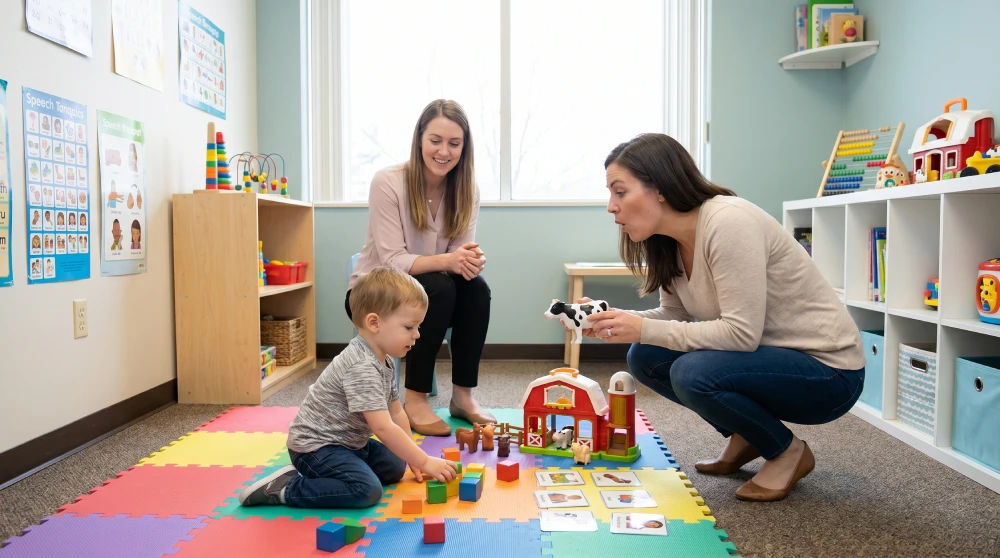
Parents spend more time with their children than any therapist ever will. Children learn by watching, listening, and interacting with the people they trust the most.
Parent coaching builds on this connection. Instead of simply observing therapy sessions, parents learn how to actively support communication development throughout the day.
Speech-language coaching focuses on practical conversations between caregivers and specialists. These meetings may happen in person or online, depending on what works best for the family. Sessions are flexible and designed around real home routines.
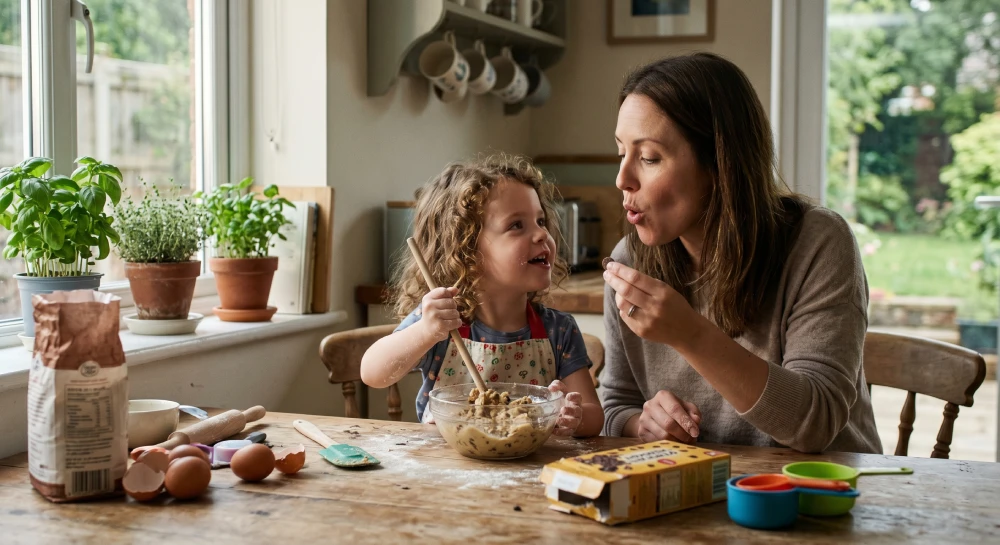
During coaching sessions, therapists guide parents through techniques that help build speech and communication skills in everyday situations.
Many everyday activities naturally create chances for communication. Dressing a child can become a moment to name colours or clothing items. Preparing food together invites descriptions, choices, and simple questions.
These small moments allow children to practice language skills naturally throughout the day.
Parents learn to slow down conversations, pause after speaking, and allow children time to respond. Gentle encouragement helps children feel comfortable trying new words without pressure.
Eye contact, tone of voice, and patience all help build confidence in communication.
Children sometimes act out when they cannot express what they want or feel. Parent coaching teaches caregivers how to guide their children through these moments by offering simple communication tools and supportive responses.
Over time, children begin to express themselves more clearly instead of relying on frustration or behaviour.
Small adjustments around the home can encourage more conversation. Setting up play areas that invite interaction or providing choices during daily tasks can naturally prompt communication.
When children are surrounded by language throughout their environment, speech development becomes easier and more natural.
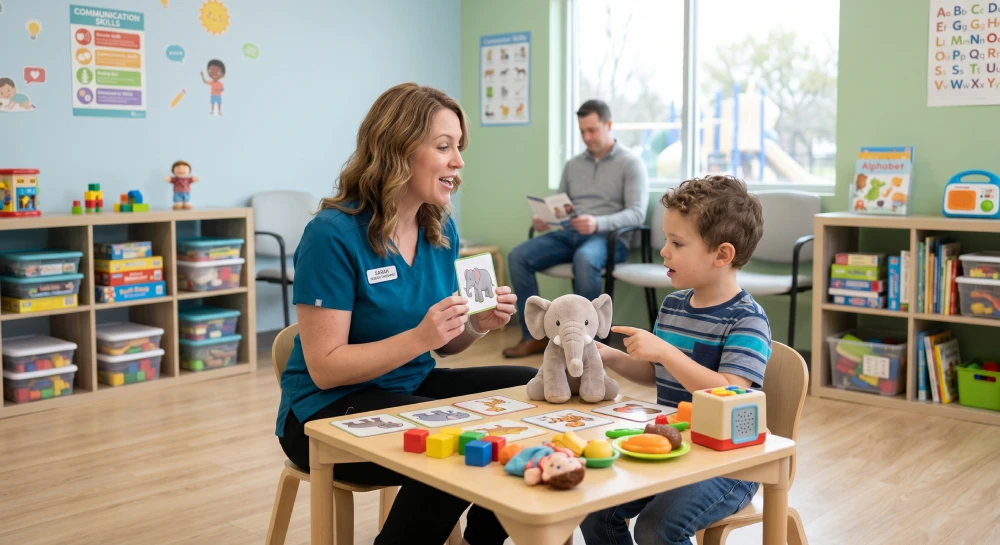
Speech therapists often talk about carryover. This refers to a child's ability to use new communication skills outside of therapy sessions.
A child might successfully say a word during therapy, but the real goal is for that word to appear naturally during conversations at school, at home, or on the playground.
Parent coaching makes this possible. When caregivers support communication goals during daily activities, a single weekly session can transform into many hours of practice throughout the week.
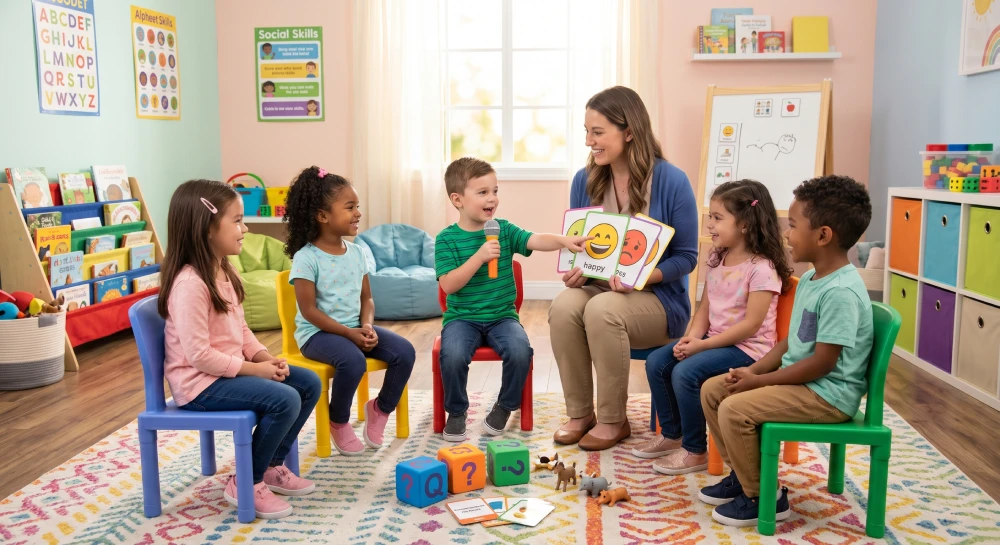
Learning communication skills inside therapy sessions is important, but using those skills in everyday environments is just as valuable.
Bright Speech offers community tours where children practice communication in places like libraries, cafés, and community spaces.
During these outings, therapists guide children through real-world interactions such as ordering food, asking for help, or requesting items. These experiences help children build confidence using their voice in everyday situations.
Communication involves more than words. Social interactions require understanding tone, body language, facial expressions, and conversation timing.
For children with speech delays or autism, these social signals may be harder to understand. Social skills groups give children a safe space to practice interacting with peers.
Through games, group activities, and guided interaction, children build confidence communicating with others.
Bright Speech was founded by Abeer Shhadeh, who leads the clinic with a focus on individualized care and strong family collaboration.
Every child receives a personalized therapy plan based on their strengths, challenges, family environment and communication goals.
Parents remain central to the process. By working together with speech therapists and therapy assistants, families create a strong support system that encourages growth and progress.

When children struggle to communicate, families often feel overwhelmed. Parent coaching helps transform everyday interactions into opportunities for growth.
At Bright Speech, therapy combines individualized sessions, parent guidance and social skill development to support children at every stage of their communication journey.
Each child progresses at their own pace, but with the right support system, confidence and communication abilities can grow steadily over time.
Bright Speech is located at:
6700 Century Avenue, Office 349
Mississauga, Ontario
Phone: +1 905 638 6104
Email: info@brightspeech.ca
Families can also request appointments online through the Bright Speech website.
Together, we can help your child discover their voice and build the confidence to express themselves clearly.
Carryover refers to a child's ability to use communication skills learned in therapy in real-life situations. When parents support therapy goals at home, children are more likely to apply new speech skills during conversations at school, at home, and in social environments.
Yes. Many speech therapy strategies are designed to fit naturally into daily routines. Activities like reading books, preparing meals, playing games, or getting dressed can become opportunities to practice vocabulary, sentence building, and conversation skills.
Social skills groups allow children to practice conversation, turn-taking, listening, and problem-solving with peers in a supportive environment guided by speech-language professionals.
Parents should consider consulting a speech-language pathologist if their child has difficulty speaking clearly, struggles to understand or use language, avoids communication, or falls behind expected speech and language milestones.