
One moment stands out more than others - seeing your child find their voice. A new sound. A clear word. Maybe even tapping on a screen to share thoughts. Each tiny step feels huge when you’ve waited so long.
But here’s what many miss: forming words isn’t always the hardest part. For families raising kids with autism or delayed speech, getting there might just be the beginning.
Things get trickier when children begin applying communication skills outward. Not just speaking, but connecting. A shift happens when words start bridging gaps instead of staying internal. It becomes less about knowing how to talk and more about understanding how communication lands with others.
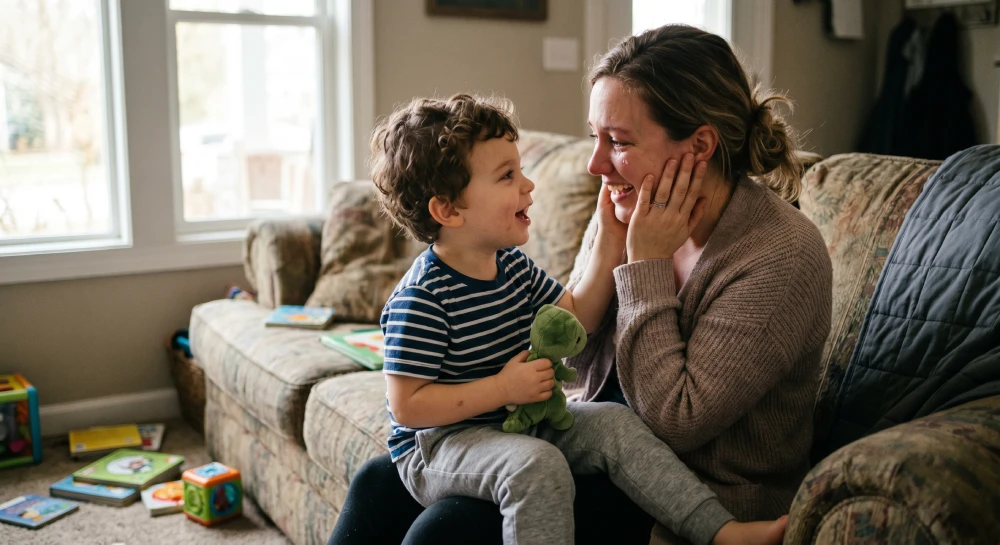
Knowing what to say is different from knowing when and how to say it. A child may name objects easily, yet struggle with timing, tone, or social cues.
Facial expressions, posture, and tone all shape conversations. These unspoken rules are often difficult for children with autism or speech delays, not because they lack intent, but because cues aren’t always clear.
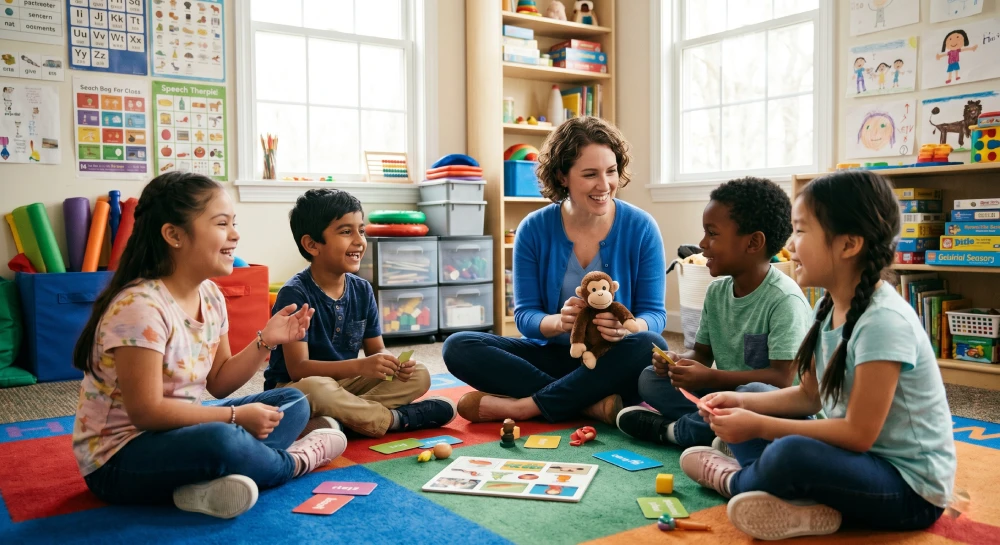
Speech experts often refer to this as pragmatic language - the ability to use language socially. It includes turn-taking, topic shifts, tone and understanding non-verbal cues.
Children who struggle with pragmatic language may experience:
These challenges are not about intelligence or willingness. They reflect difficulty interpreting social patterns that others learn naturally.
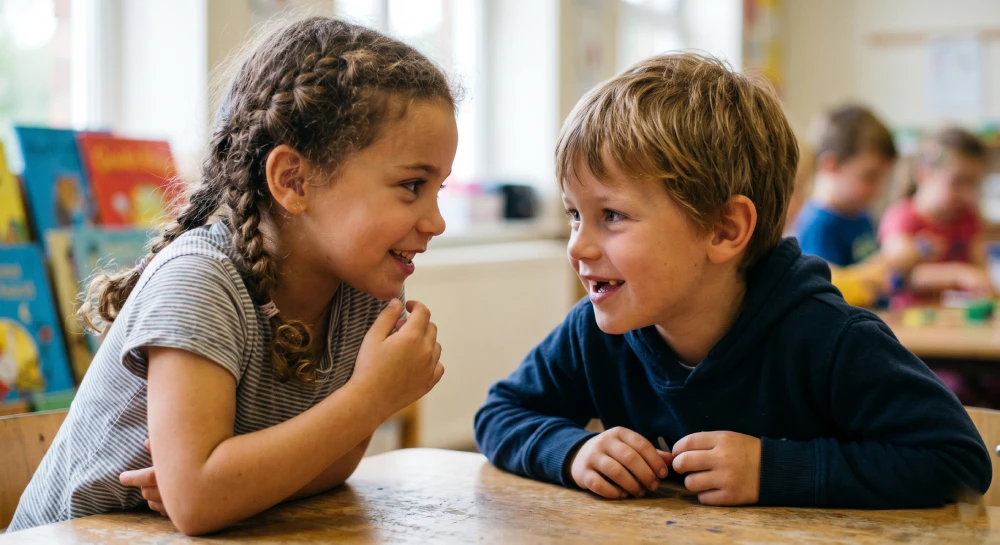
Private therapy builds a foundation, but real communication grows through interaction with others. Children need opportunities to practice with peers in natural settings.
That’s where structured group environments play a key role.
Social Skills Groups offer children a safe, supportive environment to practice communication in real-time with peers.
Through guided play and interaction, children learn:
These sessions create space for mistakes without pressure, helping children build confidence naturally.
Skills learned in therapy don’t always transfer automatically to real-world situations. That’s why real-life exposure matters.
Community-based learning bridges that gap.
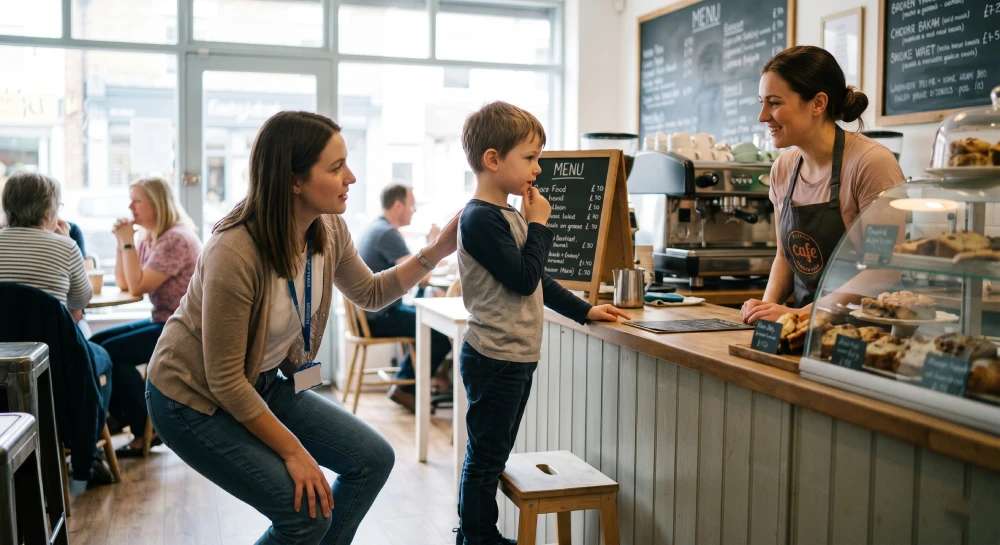
Community Tours help children apply communication skills in everyday environments like cafes, parks and stores.
With therapist guidance, children learn how to:
These experiences transform everyday situations into learning opportunities, helping children gain independence and confidence.
Effective speech therapy involves more than one method. It combines:
This integrated approach supports lasting progress across all areas of a child’s life.
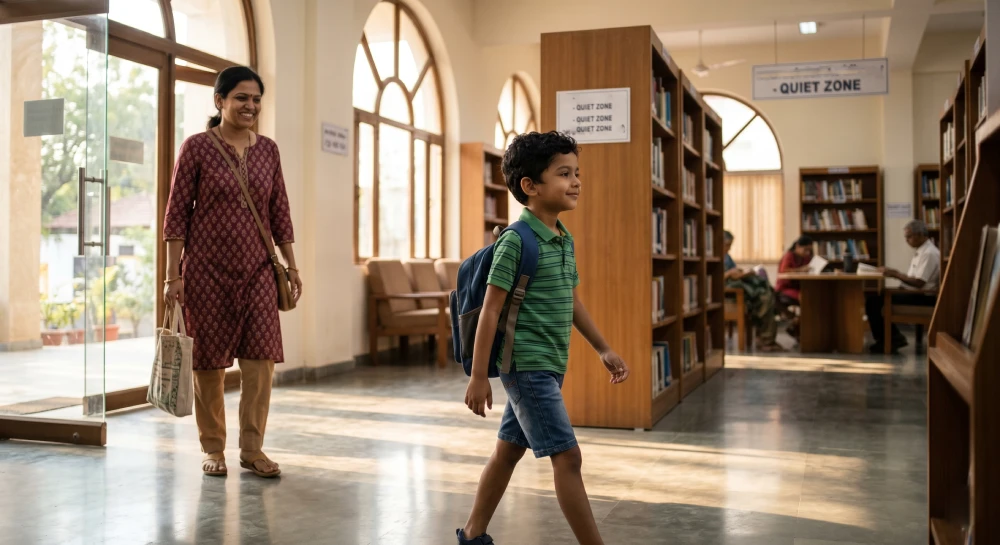
Communication is more than words. It’s about connection, confidence and participation in everyday life.
With the right support, children can build meaningful relationships, express themselves clearly and feel understood in every environment.
If your child is experiencing speech or social communication challenges, support is available.
Address: 3rd Floor, 6700 Century Avenue, Office 349, Mississauga, Ontario
Phone: +1 (905) 638-6104
Email: info@brightspeech.ca
Start by visiting the website and booking an assessment.
Social skills groups are structured sessions where children practice communication with peers in a guided setting. They help kids learn turn-taking, conversation flow, emotional regulation, and how to interact naturally with others.
Community tours allow children to practice communication in real-world settings like cafes, parks, and stores. These experiences help them apply learned skills in everyday situations, improving confidence and independence.
Pragmatic language refers to how we use language socially, including tone, body language, timing, and understanding conversational cues. It is essential for building relationships and effective communication.
Yes, children with autism often benefit greatly from social skills groups as they provide a safe environment to practice interaction, understand social cues, and build meaningful connections with peers.