
Starting school for the first time brings many new experiences for children. During these early days, kids begin learning how to think, share ideas, and interact with others. These abilities gradually become important tools they carry with them throughout their school journey.
One of the most important factors in school success is communication. When children can understand instructions, express their thoughts clearly, participate in conversations, and connect with teachers and classmates, they often feel more confident in the classroom environment.
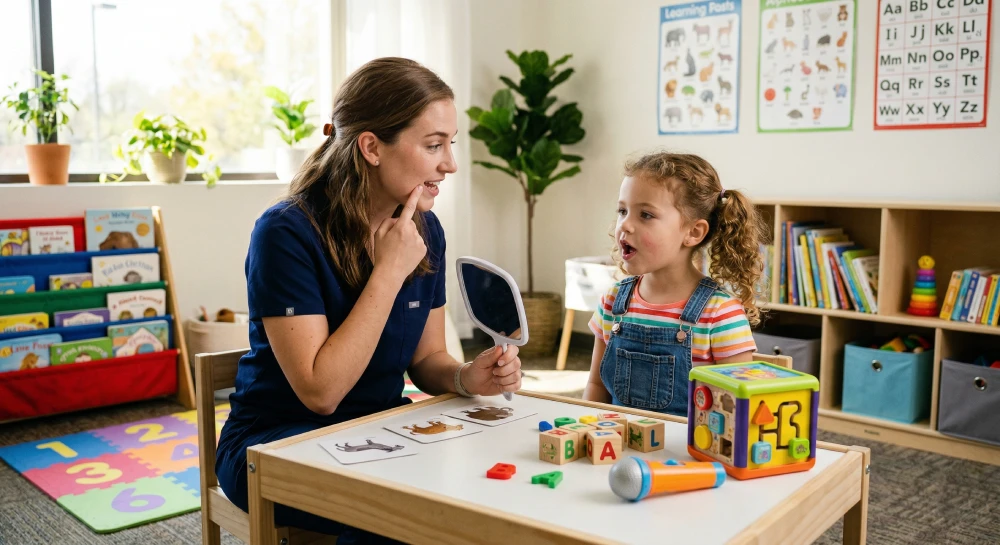
However, some children experience speech or language difficulties that make it harder to participate in classroom discussions. They may hesitate to speak or avoid joining group conversations. Early support can help children develop these communication skills before school begins, making the transition into classroom life much smoother.
Speech therapy centers such as Bright Speech focus on helping children improve communication skills through guided practice and supportive sessions. As speech becomes clearer and easier, children often gain the confidence they need to engage with others and participate in learning activities.
This article explores how early speech therapy can support school readiness while building the communication confidence children need to succeed academically.
Listening and speaking skills play an essential role in classroom learning. Students must understand instructions from teachers while also sharing their own thoughts and ideas during lessons.
Children rely on communication skills to:
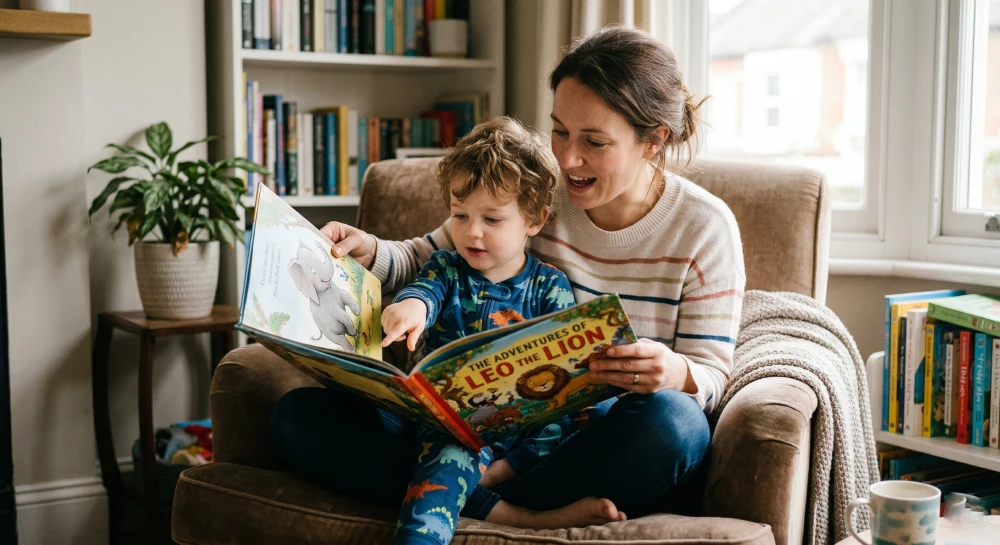
When speaking clearly is difficult, school tasks may feel more challenging. Early speech support can help children gain confidence in communication before they begin formal schooling.
School readiness refers to the abilities that allow children to adapt comfortably to classroom routines and learning environments.
Important school readiness skills include:
As children develop stronger communication skills, they often find it easier to express ideas, build friendships, and follow classroom activities. These improvements may also support reading development and reduce frustration during learning tasks.
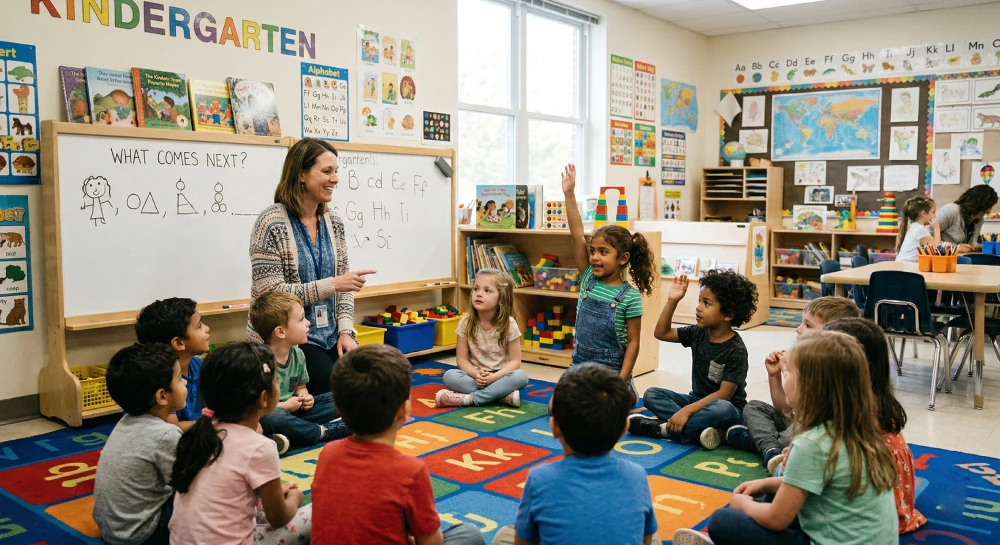
Every child develops speech skills at their own pace, but certain signs may suggest that extra support could be helpful.
Parents may consider speech therapy if their child:
Identifying these signs early allows children to receive help before speech difficulties begin to affect their school experience.
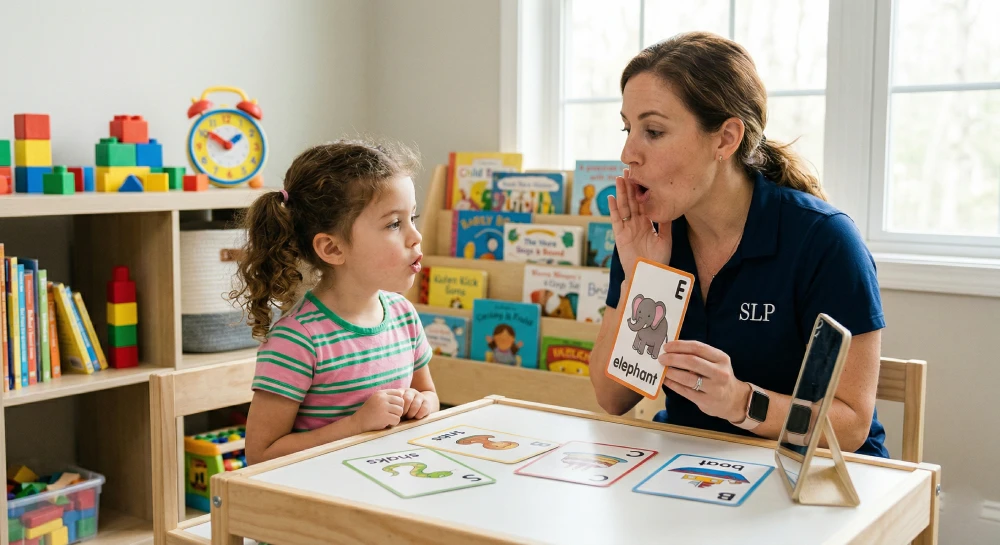
Speech therapy can strengthen the communication skills children rely on in the classroom. As speech improves, children may also find it easier to understand lessons and express their ideas.
Listening carefully is essential for learning. Teachers give instructions, tell stories, and explain concepts that children need to understand.
Speech therapists often use play-based activities and storytelling exercises to improve attention and listening skills. These interactive sessions help children stay focused and respond appropriately during conversations.
A larger vocabulary helps children understand lessons and communicate more effectively. Speech therapy sessions often introduce new words through games, stories, and conversation practice.
As children learn new words, they also practice using them correctly in everyday speech.
Clear sentence structure helps children express their thoughts in ways others can understand. Speech therapy sessions guide children in building sentences, organizing ideas, and improving grammar.
Through regular practice, children gradually learn how to arrange words so their messages are clear and meaningful.
Clear pronunciation allows teachers and classmates to understand what a child is saying. Speech therapists use sound exercises and repetition activities to help children improve articulation.
Over time, these exercises help children pronounce sounds correctly and speak with greater clarity.
Communication skills also help children build friendships and participate in social activities at school.
Children learn how to:
Speech therapy sessions often include role-playing and group activities that allow children to practice real-life communication skills in a supportive environment.
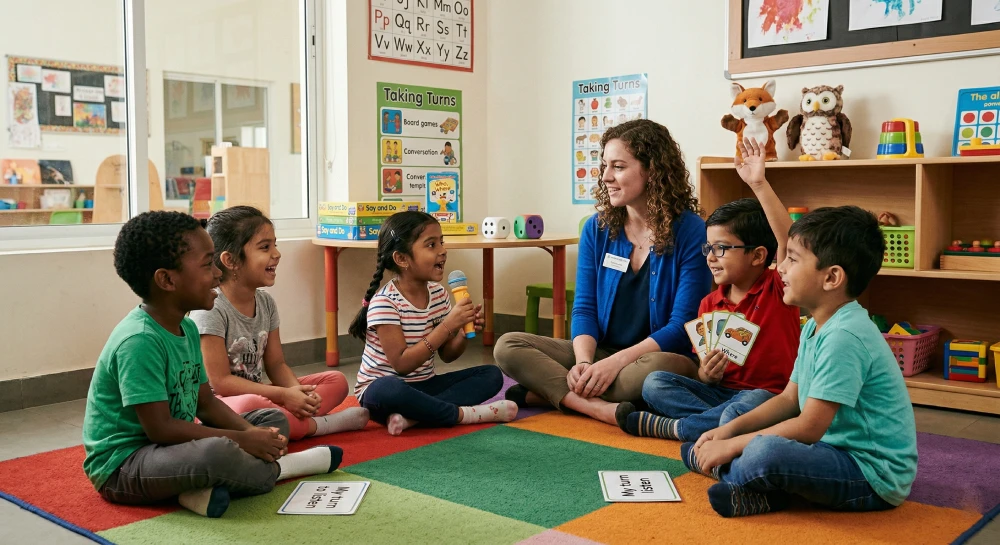
Children who struggle with speech may hesitate to participate in class discussions. Some may remain quiet or avoid speaking because expressing thoughts feels difficult.
As speech therapy improves communication skills, children often gain confidence in sharing their ideas. This increased confidence can help them participate more actively in classroom activities and social interactions.
Parents play a major role in helping children develop language skills. Everyday conversations and activities at home can strengthen communication abilities before school begins.
Helpful strategies include:
When children attend speech therapy, therapists often provide guidance for parents so they can continue practicing communication skills at home.
Starting speech therapy early can provide long-term benefits for children both inside and outside the classroom.
Possible benefits include:
Early support allows children to build these skills while their brains are still developing rapidly.
If parents notice ongoing difficulties with speech, consulting a speech-language therapist can provide helpful guidance.
A professional evaluation can determine whether a child’s speech development is progressing normally or if additional support may be beneficial.
Early support helps children enter school ready to communicate, learn, and build friendships with confidence.
Strong communication skills help children understand instructions, share ideas, and participate in conversations with confidence.
Early speech therapy provides children with the tools they need to develop clear communication before starting school. With support from therapists and encouragement from family members, children can build the confidence needed to succeed in both academics and social interactions.
Early speech therapy is a specialized treatment that helps young children improve communication skills such as speaking, understanding language, pronunciation, and social interaction. Speech-language therapists use activities, games, and conversation exercises to support language development during the early learning years.
Speech therapy helps children develop the communication skills needed to succeed in the classroom. These include listening carefully to instructions, asking questions, participating in group discussions, and expressing ideas clearly during learning activities.
Children can begin speech therapy as early as toddler age if speech or language delays are noticed. Early intervention is often recommended because younger children learn language skills more quickly when support begins during early development.
Yes. As children learn to communicate more clearly, they often become more confident in social and classroom settings. Improved speech skills can help children participate in conversations, answer questions in class, and interact comfortably with classmates.