
Watching your child grow brings huge joy, yet tiny worries creep in too. Those shaky first steps, new foods - each moment feels like a victory worth celebrating. Yet with talking, things get fuzzy fast. One kid babbles nonstop at the park; yours stays quiet. Late bloomers exist, sure. Still, questions pile up after midnight Google searches. Could this be normal slowness - or something more needing attention?
Most kids hit bumps with talking sometimes. Truth is, trouble with words shows up a lot in little ones. Spot it quick, though, and progress can move fast.
Over at Bright Speech in Mississauga, the main goal sits around helping kids speak up and grow into who they’re meant to be. Care runs deep here - personalized sessions in speech and language support meet each young person where they are, especially those walking paths tied to Autism Spectrum Disorder (ASD). This piece strips apart how speech differs from language, quietly pointing out what early delays might look like. Spotting signals sooner rather than later becomes possible when guidance comes from someone fully focused on communication growth. Getting started with a committed therapist could shape years ahead more than expected.
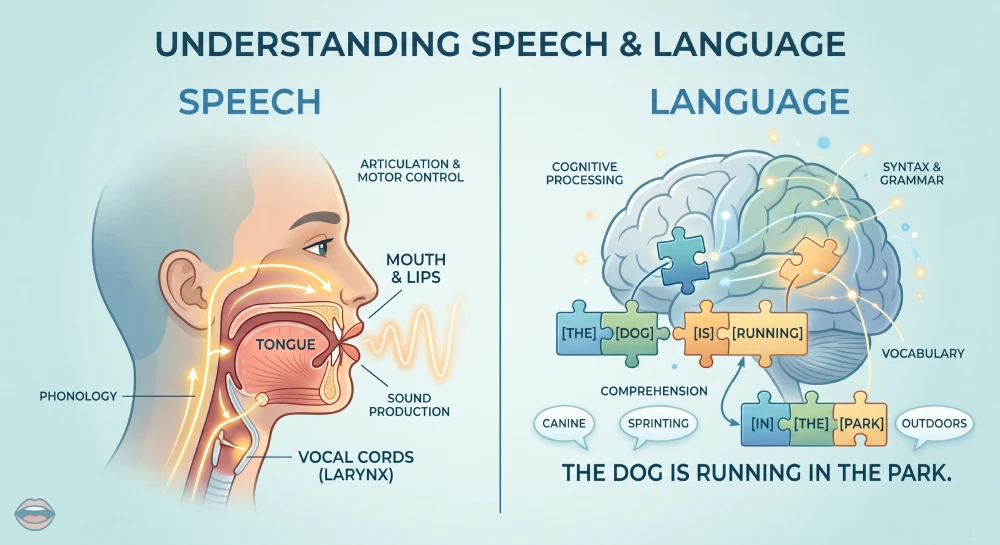
Most people mix up speech and language when talking casually. Yet in clinics, they mean separate things. Spotting the gap helps see where a child could struggle. Knowing that split matters most at the start.
Out loud, talking happens when air moves through parts like the mouth and voice box. From there, small movements of the lips, tongue, and throat shape what comes out.
Some kids struggle to make certain sounds, swapping things like "w" for "r." Trouble speaking clearly isn't always about knowing the words - sometimes the brain just can’t tell the mouth what to do. A few find it hard to keep rhythm in talking, stumbling over syllables. Others face challenges moving lips or tongue the right way, even when ideas are clear inside. What they mean stays trapped behind clumsy movements.
Words work through a mental system that lets people share thoughts by speaking and listening. One part involves catching the message when someone talks - this is how we take in speech. The other relies on forming phrases, building sentences, even moving hands to express an idea clearly.
Starting mid-thought, picture a kid who says each word clearly yet trips when piecing them into full thoughts. Their speech sounds right, though the number of words they know feels too small compared to others their age. Put another way, understanding several steps in one go tends to fall apart quickly. Sentences? Not so much built as left half-formed.
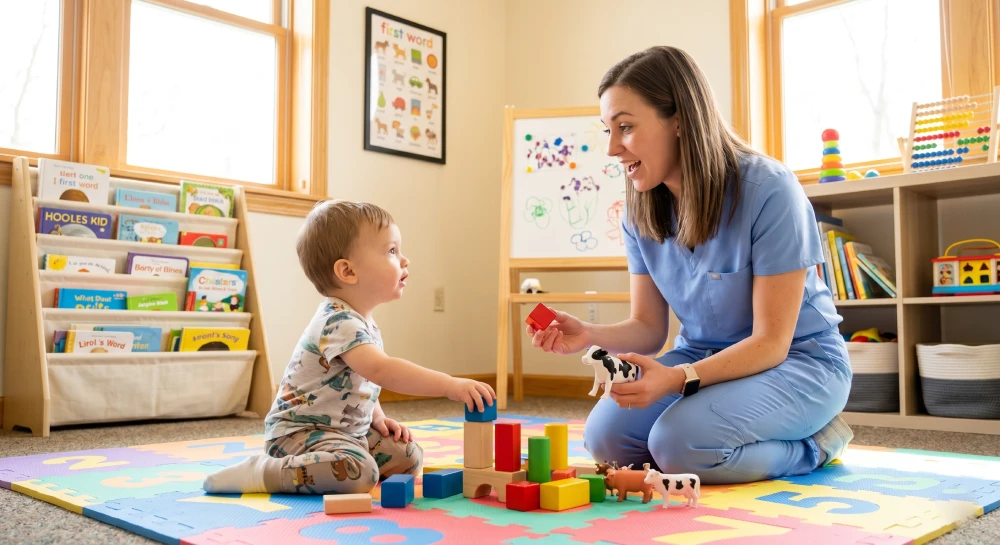
Most kids grow in their own way, yet doctors have markers they check. Not hitting one mark does not mean trouble right away. When several steps get skipped though, it makes sense to talk with a specialist. Watch for these signs at different ages - could mean a talk checkup makes sense.
Young kids who rarely babble by 12 months may need extra support. By 18 months, if pointing or waving doesn’t happen much, pay attention. Not combining words around age two? That sometimes signals delay. Trouble following directions at three years old can be a clue. If others struggle to understand your four-year-old, consider an evaluation. At five, frequent stuttering or unclear sentences deserve a look. Each child grows differently - but gaps in talking skills add up.
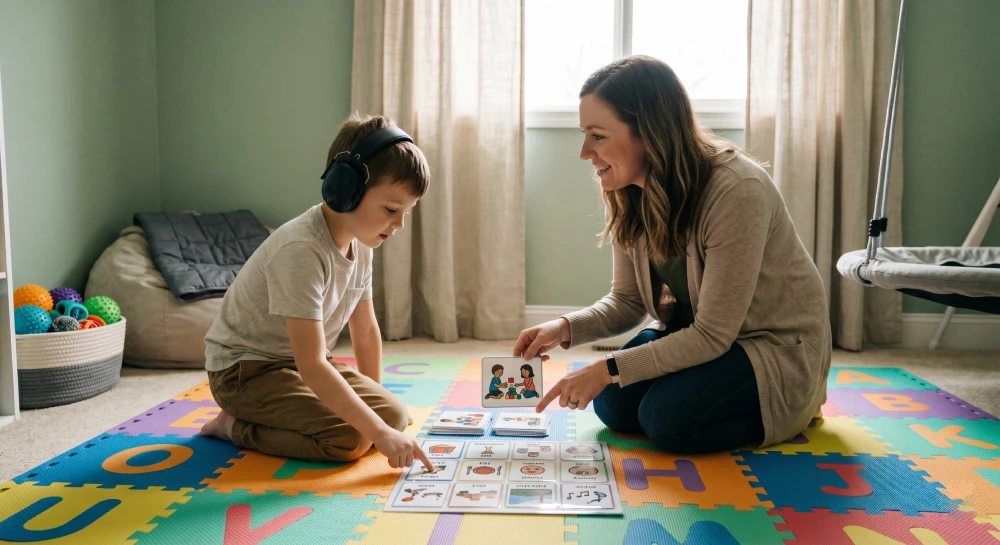
Communication hurdles show up in unique ways for kids on the autism spectrum, needing therapy that fits just right. Not every child speaks at all - some stay silent throughout their early years. Others pile together long strings of words yet trip when it comes to taking turns or reading cues during conversation.
Common communication signs associated with Autism include:
Some of us at Bright Speech have spent years learning alongside neurodivergent kids. Not about correcting them - more like handing them what works when things get tricky. Each tool fits a purpose, each strategy grows from real moments. Their thoughts already shine; we just help find the way out. Moving through life can be loud, crowded, confusing - support means quieter steps. Safety isn’t built by changing a child. It happens when they’re given room to speak as themselves.
Most damage comes from waiting when delays show up. A young mind bends easily, ready to pick up new patterns fast. Right now matters because help hits harder at this stage.
Starting speech therapy early helps stop problems from building up. If kids struggle to express themselves, frustration might show through actions instead of words. Because communication issues linger, learning to read may become harder once classroom time begins.
Right away, getting a check-up arms your child with what they need to move past hurdles early - before those hurdles harden into routine.
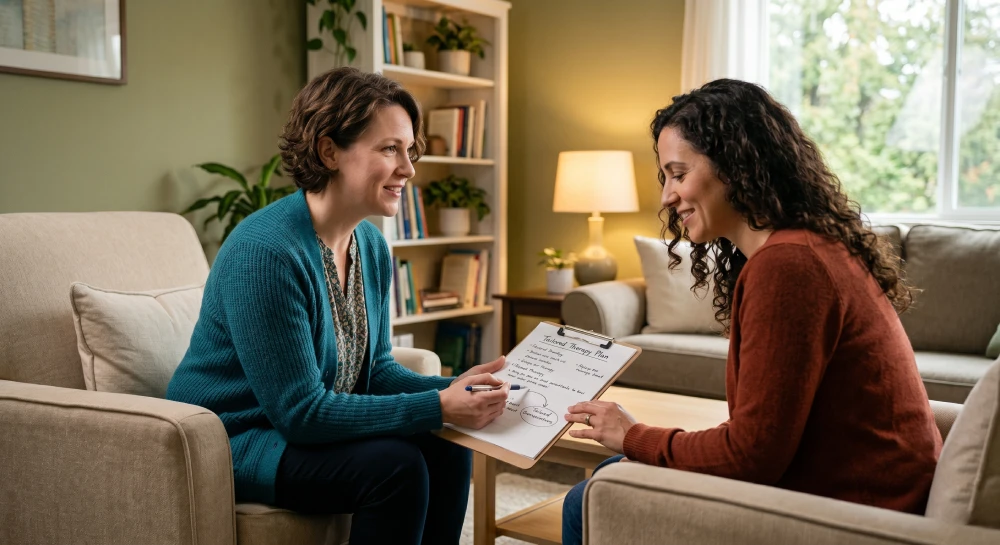
Step into Bright Speech in Mississauga, and right away, it feels different - like belonging. Not because of signs or slogans, but how people treat you: like someone who matters. Abeer Shhadeh started this place after years of watching families struggle to find real help. Her idea? Simple. Support should be clear, consistent, strong. No hidden layers. Just care that shows up.
Every session fits just you, guided closely by trained professionals who hold proper licenses in speech care. Our team includes both certified Speech-Language Pathologists and skilled assistants working together to support progress. You will see how communication grows through focused, tailored exercises built around your needs. Each step follows a clear path shaped by regular feedback and careful listening. The approach stays flexible, adjusting as changes happen over time.
Your gut knows things logic misses. When something feels off about how your child talks, pay attention. Waiting won’t make it easier - getting answers might. What looks like doubt could actually be courage showing up early.
Every day at Bright Speech feels like another chance to start fresh. More than two thousand six hundred forty-five people have walked in quiet, left speaking up. The moment you arrive, someone is already listening. Team members here move slow on purpose, making space for questions, for pauses, for breaths. Trust shows up quietly - no grand speeches, just steady work. What matters most? You feel seen, right where you stand. Help looks different depending on who needs it - and that is okay. This place grows stronger because families keep returning, bringing new voices each time.
Surprises won’t come knocking on their own. Working together might open doors to what your child can really do.
Ready to come see us? You’ll find the clinic right in the heart of Mississauga at 6700 Century Ave, on the third floor in office 349. Since it’s a central spot, getting here tends to go smoothly no matter where you’re coming from.
Reach out at +1 (905) 638-6104
Email Us: info@brightspeech.ca
Head over to the site. Fill in a short form once you’re there - this locks in your spot without delay.
Team up, see your kid grow strong. Together, watch them rise.
Early signs include not babbling by 12–15 months, limited vocabulary by age 2, difficulty forming simple sentences, unclear speech, and trouble following basic instructions.
Most children say their first words around 12 months and begin forming simple sentences by age 2–3. By age 4, speech should be mostly clear to others.
Speech delays can be caused by hearing problems, developmental delays, neurological conditions, or limited interaction and communication at home.
Early intervention helps children develop communication skills faster, improves learning ability, and reduces long-term speech and language challenges.