
A diagnosis of Autism Spectrum Disorder can shake a parent’s path in ways hard to predict. Suddenly there are terms to learn, appointments to schedule, thoughts spinning around how the child sees life differently. Right after hearing those words, what weighs heavily for many families is how their child connects through language. Not always speaking does not mean there is nothing being said.
Speaking comes later for some kids. Figuring out their needs takes time. Same words again might mean comfort. Questions like these weigh heavy on parents.
Not being able to speak like others might expect doesn’t mean a child cannot think clearly or wish to share their world. For autistic kids, getting messages across often takes alternate paths. Though speech delays show up frequently, insight and intent remain present - just expressed in ways outside the usual. Connection still happens, even when words do not.
Bright Speech in Mississauga offers clear, focused support for kids and teens on the autism spectrum. Not every path looks the same - our work begins by respecting that difference matters. Tools come into play when words feel out of reach; communication grows through trust, not pressure. Progress shows up quietly: a gesture, a sound, a moment of connection. Because being understood shouldn’t depend on speaking loudly. Confidence builds when voices are heard exactly as they are.
Here’s a look at how kids on the spectrum make sense of words. Communication that works matters more than fluency. Our tailored supports dig into real connection, not scripts. One piece stands out: coaching parents to respond in ways that match their child’s rhythm. Growth shows up quietly, then grows louder.
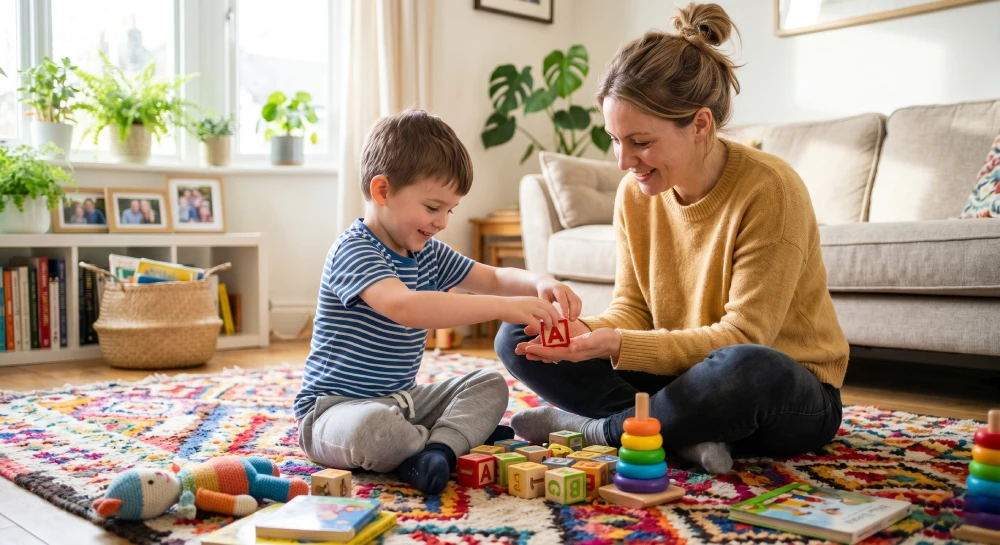
Some kids on the autism spectrum talk constantly; others rarely speak at all. Each child processes interaction differently, making every case unique. At Bright Speech, professionals check various skills during assessments - how a kid listens, responds, uses words, shares attention, or expresses needs matters just as much as vocabulary size.
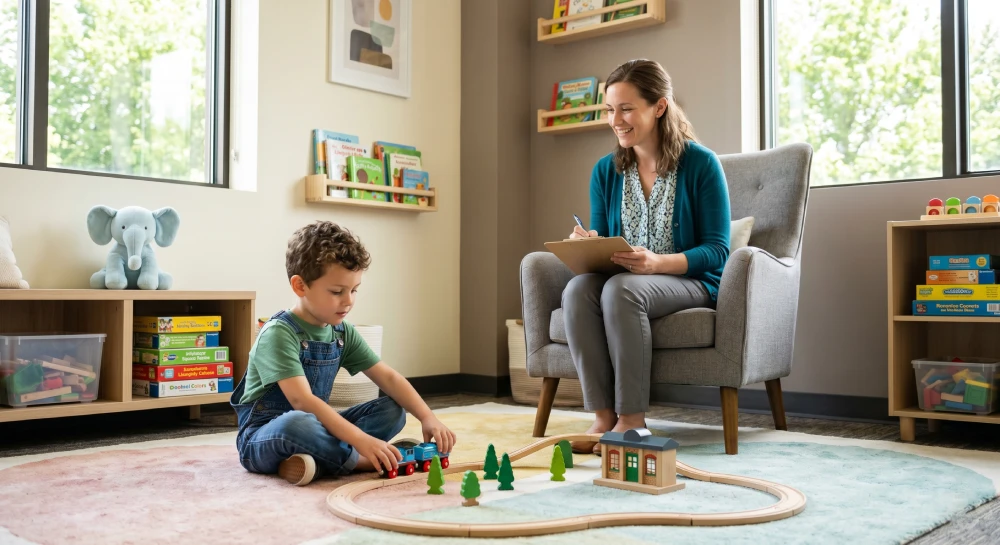
Some kids on the autism spectrum echo what others say - that's called echolalia. It means repeating words, bits of dialogue or noises heard before. Instead of replying directly, a youngster may toss back your last question word for word. Lines from videos or movies sometimes spill out too, whole scenes played like recordings.
Back then, people thought repeating words was just random noise without purpose. Now, experts see things another way altogether. Repeating phrases can actually show how someone builds language in chunks.
Little kids without learning differences often pick up speech by focusing on pieces first. Starting with one word at a time - like "cat" - they slowly add more. A phrase forms later - "fat cat" - shaped by what they notice around them. Full thoughts come much after, such as "The fat cat sat there," built step by step.
Out of whole pieces, language grows for some minds. Phrases land not part by part but as full waves, each stuck to a mood from their first moment. Picture a kid blurting “To infinity and beyond!” whenever they need lifting - not random, just tied to how soaring felt back then. Emotion stitches the words together in ways logic won’t unwind.
Some kids at Bright Speech learn language in pieces they’ve heard before. Our team notices how these patterns work instead of treating them like noise. Because repetition matters, we build on what the child already says naturally. From familiar phrases, new ways to communicate begin to form slowly. Over time, long copied lines turn into smaller parts that fit different moments.
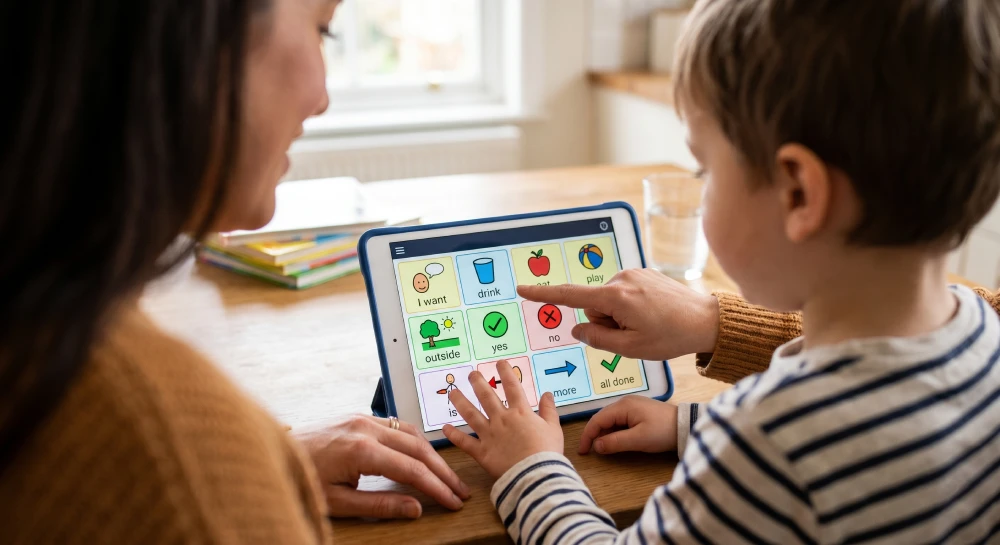
Some still believe giving a child an AAC (Augmentative and Alternative Communication) tool blocks spoken words. Yet study after study shows it does just the reverse - easing stress, clearing confusion, and helping verbal voice emerge. A working method to communicate right away makes all the difference.
What we’re really talking about with “finding their voice” stretches way beyond speaking out loud. Talking isn’t the only way kids share what they think or feel. Some autistic children struggle deeply with lining up breath, lips, and sound into clear words. Others find that ideas race ahead faster than any sentence could follow.
This changes everything - how people connect when words fall short. Picture this: sharing thoughts without speaking at all. Sometimes it's as simple as tapping images on a printed grid. Other times, it involves pressing buttons that speak aloud through a device. One path uses paper, another powers up tablets with voice apps. Each method bridges gaps in its own quiet way.
Professionals like SLPs and trained assistants know how to match these systems to each child, shape them around daily routines, and guide parents through real-life use.
Out in the real world, practice makes nothing perfect - just more familiar. A kid might nail every prompt we give them here, follow directions without pause, yet stumble when reaching for words at home. Winning looks like asking Grandma for seconds using their voice machine. It shows up in picking snacks at the market with clear requests. Progress hides inside toothbrushing chats where sentences form slow but steady. Mastery isn’t found in flawless drills - it lives in messy moments full of distractions, love, tired eyes.
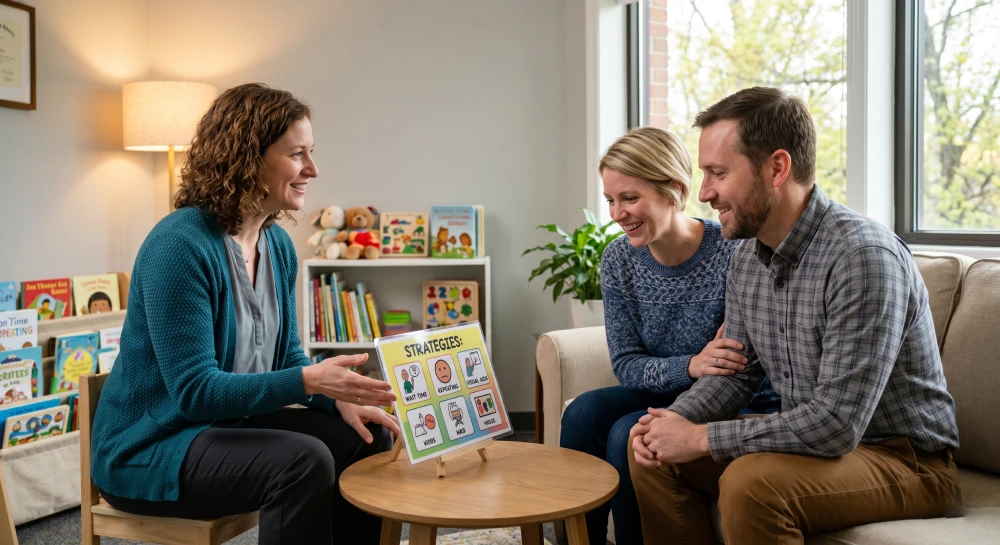
When kids on the autism spectrum learn something in one place, they might not use it somewhere else. That gap shapes how we build our approach. Instead of just working directly with the child, we guide parents to carry strategies into daily life. This shift - putting caregivers at the center - becomes the anchor. Learning spreads further when woven into real moments. The method sticks because it moves beyond sessions. Growth shows up where it matters most: at home, in routines, through small repeats.
Picture this: just you and a clinician, face-to-face or online, shaping each session to fit your life. Instead of generic advice, you get real methods that match how your family actually moves through the day. One step at a time, you learn ways to guide your child’s communication right in the moments it matters most. Think of it less like instruction, more like building something usable - hand over hand.
Out of reach, inside those see-through containers - spots where favorite things sit just beyond grasp. Picture toys visible but locked behind lids needing hands working together to open. A space shaped so asking becomes the only way forward. Clear boxes turn into quiet invitations, nudging words out without force. Moments build when help must be spoken to get what's wanted. Little hurdles like these make talking necessary, not optional. Need meets delay, then language steps in.
Look at actions differently. Once you understand how communication works, those tough moments start making more sense. A guide shows up beside you, pointing out what your child really needs when things fall apart. Instead of reacting, you learn to spot the missing piece. Then comes teaching - showing them the right word or symbol for next time. The meltdown becomes a doorway, not a wall.
Most of the time, it’s just you around - therapy takes up only sixty minutes every seven days. That leaves plenty of moments where your presence matters more than any session ever could. Picture this: when caregivers learn to speak in calm patterns, honor repeated phrases as meaningful communication, and offer tools like AAC without pushing too hard, shifts begin to happen. Growth shows up quietly at first - a glance, a hum, a tap on a screen. Then suddenly, words start stacking faster than anyone expected. Progress doesn’t wait for permission. It moves quickest when trust already lives in the room.
What drives Bright Speech began with seeing families grow closer through new ways of connecting. Moments where parents reach their neurodivergent kids differently sparked its start. Real shifts happen not in theory but when daily interactions soften, deepen. That quiet progress matters most. Seeing understanding replace frustration lit the original spark. These small turning points add up beyond words.
What matters most isn’t just words, but how people reach one another. While your child grows the ability to understand and share thoughts, our role becomes clear - offering steady spaces where trying out those links feels doable.
Starting small, each child joins peers with similar social rhythms so sparks of connection can grow without pressure. Through guided moments, they explore sharing space, taking turns, building trust - step by step. Mismatches fade when differences are met with curiosity instead of correction. Moments of friction become chances to try again, gently. Belonging begins where authenticity isn’t adjusted - it’s welcomed.
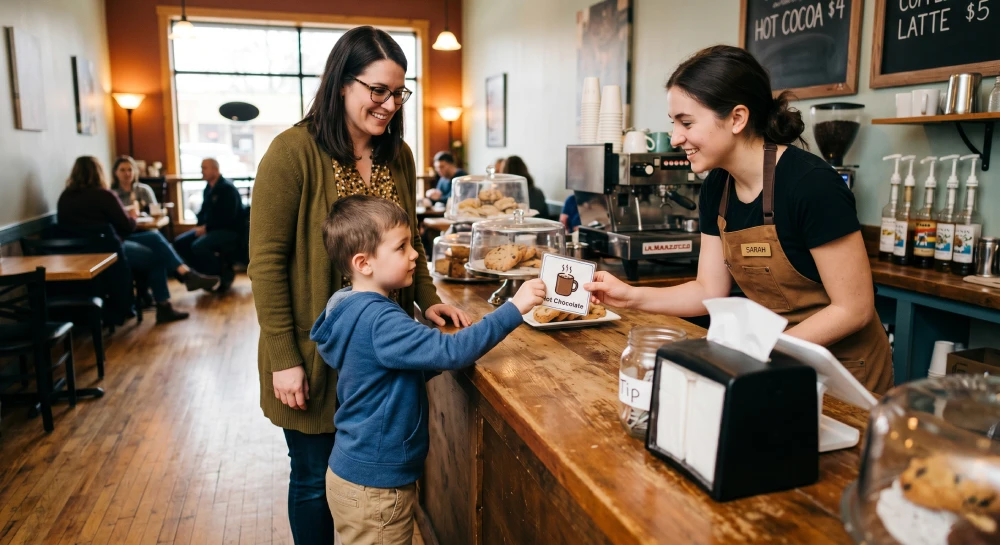
Out there, community tours ease the stress around leaving home. Walking into a café in Mississauga, placing an order - it becomes practice, not pressure. A trip to the library, picking up a book, works the same way. These moments add up, slowly shaping self-assurance. Real spots, real talks, small wins every time. Confidence grows where challenges feel manageable. Independence shows up quietly, in steps only noticed later. The world stays loud, yet familiar now. Each visit makes space for one more try. Comfort builds where feet have walked before.
Some days bring quiet victories, others just tired eyes. Walking beside autism means growing alongside it, bit by bit. Help shows up in many forms - sometimes a therapist speaks when words get stuck. Love stretches wide, even on slow mornings. Support exists not because you lack strength, but because everyone needs anchors now and then.
Here at Bright Speech, strength grows through shared moments. Abeer Shhadeh leads our team not from a title but by showing up every day. Each specialist brings steady hands and clear eyes to real challenges families face. Care fits your household - no templates, no guesses. Instead of sticking to old routines, we listen first. Because words live inside each kid, waiting for a way out. Tools matter more than scripts when voices are finding their footing.
A step forward begins when we walk beside you and your family. Communication grows where support meets effort. Together, progress takes shape through shared moments with your child.
Address: 6700 Century Avenue, Suite 349, Mississauga, ON L5N 6A4
Phone: +1 (905) 638-6104
Email: info@brightspeech.ca
Neurodiversity-affirming speech therapy is a supportive approach that respects how autistic children naturally communicate, interact, and process the world. Instead of trying to make children appear neurotypical, therapy focuses on helping them communicate confidently and comfortably in ways that work best for them.
Speech therapy can help autistic children improve communication skills, express needs and emotions, build social interaction abilities, develop language skills, and use communication tools such as gestures, visuals or AAC devices when needed.
Many autistic children benefit from speech therapy during toddler or preschool years, but there is no wrong age to begin. Early support may help communication development, emotional regulation and social interaction skills.
Yes. Nonverbal autistic children can benefit greatly from speech therapy through alternative communication methods including AAC devices, sign language, visual communication systems, gestures, and play-based interaction strategies.