
Little ones pick up talking in their own time. One might start stringing sounds together fast, another needs more days to shape phrases. Often, a lag in saying things out loud fits right inside usual growth.
Still, if trouble with talking sticks around or gets clearer as days go by, moms and dads might begin questioning if help from an expert makes sense. Trouble with words can stand in the way of a kid sharing thoughts, connecting with others, doing well in class.
From tiny voices finding their start to clearer ways of sharing thoughts, focused guidance shapes how kids express themselves. Places like Bright Speech build custom steps for each child, helping them connect through words with confidence.
When kids show first hints of trouble speaking or understanding words, noticing early helps them step in when it matters. Getting help early means children find what works for them sooner.
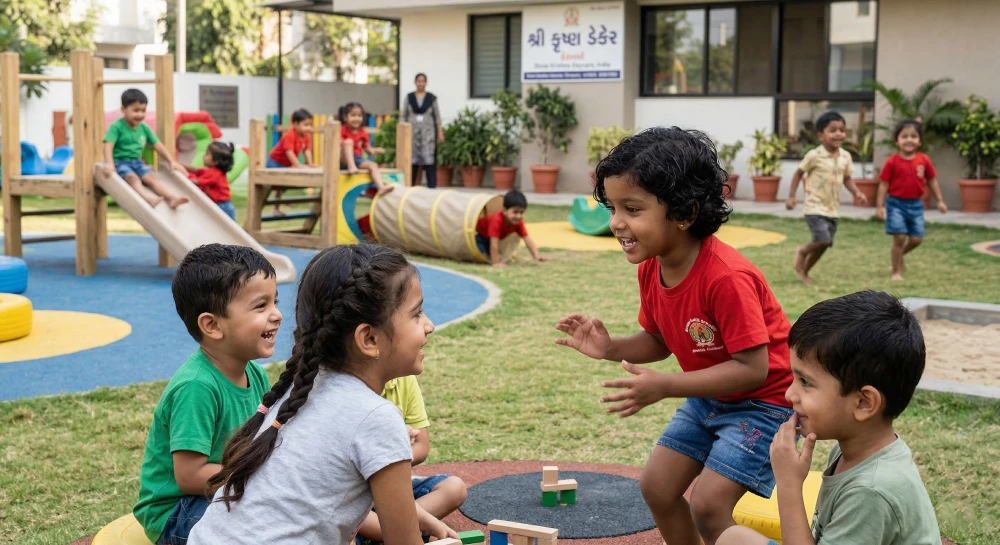
Babies start picking up speech cues right after birth, slowly building their skills over months. From first sounds, they move toward real words through daily interactions.
If these milestones are delayed, it could indicate speech or language difficulties.
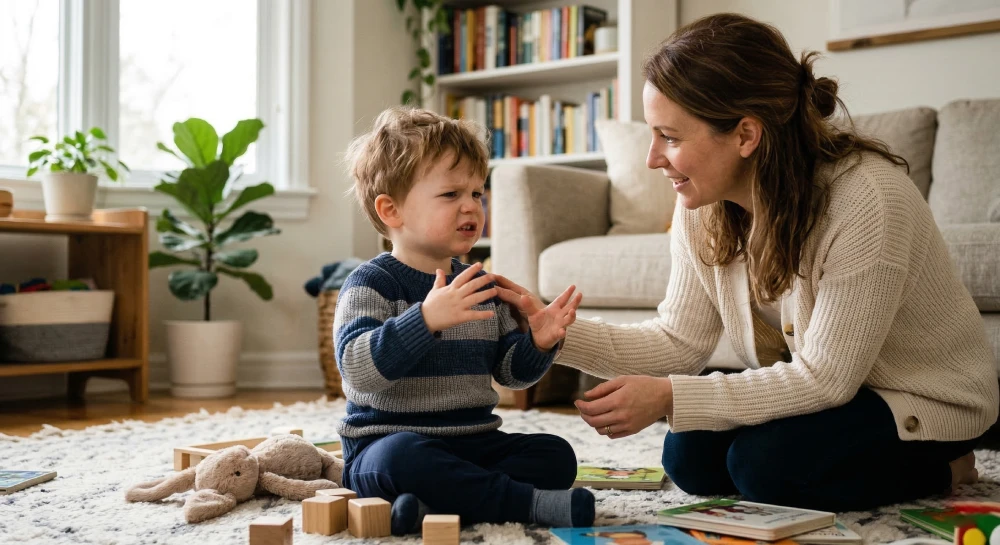
Parents are often the first to notice when something feels off. Recognizing early signs can help prevent bigger challenges later.
If a child uses significantly fewer words than others their age or relies more on gestures than speech, it may indicate a delay.
When even close family members struggle to understand a child’s speech, it may signal pronunciation or articulation issues.
If a child has difficulty understanding simple directions, it could indicate challenges with language comprehension.
If a child continues using single words beyond the expected age or struggles to form sentences, speech therapy may help.
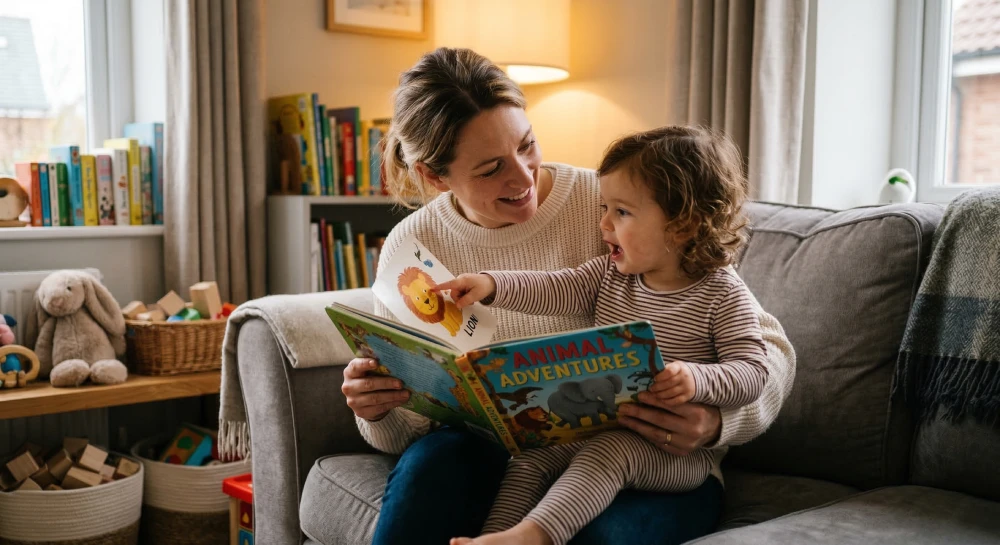
Children may feel frustrated if they cannot express themselves clearly. Signs include:
Communication challenges can make it harder for children to interact, play, and build friendships with others.
Speech delays can occur for different reasons, including:
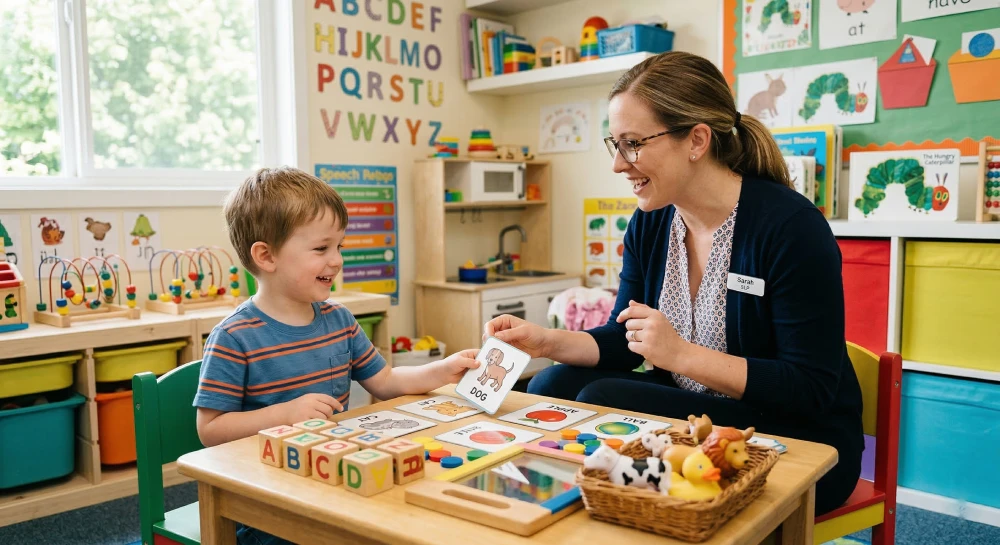
Speech therapy uses structured techniques tailored to each child’s needs and learning pace.
Therapists may use:
These methods make learning engaging while improving communication skills.
Parents play a key role in helping children develop speech skills outside therapy sessions.
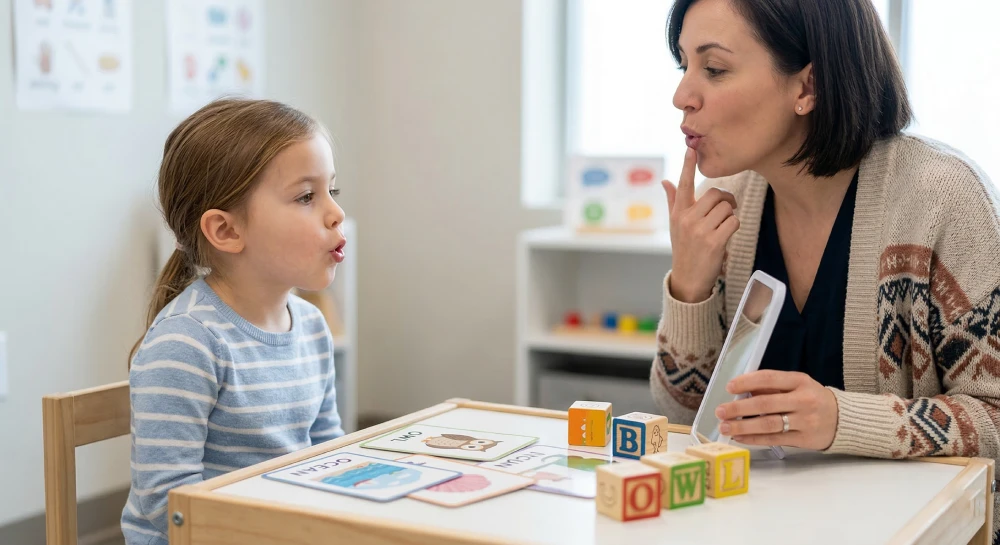
Children learn to express thoughts clearly and develop better speech patterns.
Better communication helps children build friendships and interact more easily.
Speech skills support reading, writing, and classroom participation.
As communication improves, frustration decreases and confidence grows.
If speech or language difficulties persist, consulting a speech therapist can provide clarity and guidance.
Every child develops differently, but early evaluation ensures the right support at the right time.
Learning to talk opens up a child’s world. If communication feels difficult, early support can make a lasting difference.
With the right guidance, children gain confidence, express themselves better, and connect more easily with others.
Signs include delayed speech, unclear words, limited vocabulary, difficulty forming sentences, trouble understanding instructions, and frustration while communicating.
Speech therapy can begin as early as 18 months to 2 years if delays are noticed. Early intervention helps children develop communication skills more effectively.
Common signs include not speaking words by 18 months, not combining words by age 2, unclear pronunciation, and difficulty following simple directions.
Some children may catch up naturally, but persistent delays should be evaluated early to prevent long-term communication challenges.