
Speech doesn’t come easily for kids with Childhood Apraxia of Speech (CAS). This isn’t just taking longer to talk - it’s about the brain struggling to map out exact muscle moves, despite understanding words clearly and having strong facial muscles. Though thoughts are ready, turning them into spoken sound takes extra effort.
Some kids grow out of slow talking, but that's not how it works for childhood apraxia. This condition often gets mistaken for ordinary delays, even though the problem runs deeper. Labels like "late bloomer" pop up a lot, giving families false reassurance. Waiting too long means losing time when help could make a real difference.
Childhood Apraxia of Speech (CAS) is a motor speech disorder where the brain struggles to plan and coordinate the precise muscle movements needed for speech. The child understands language and knows what they want to say, but the neural pathways required to produce the correct sounds are disrupted.
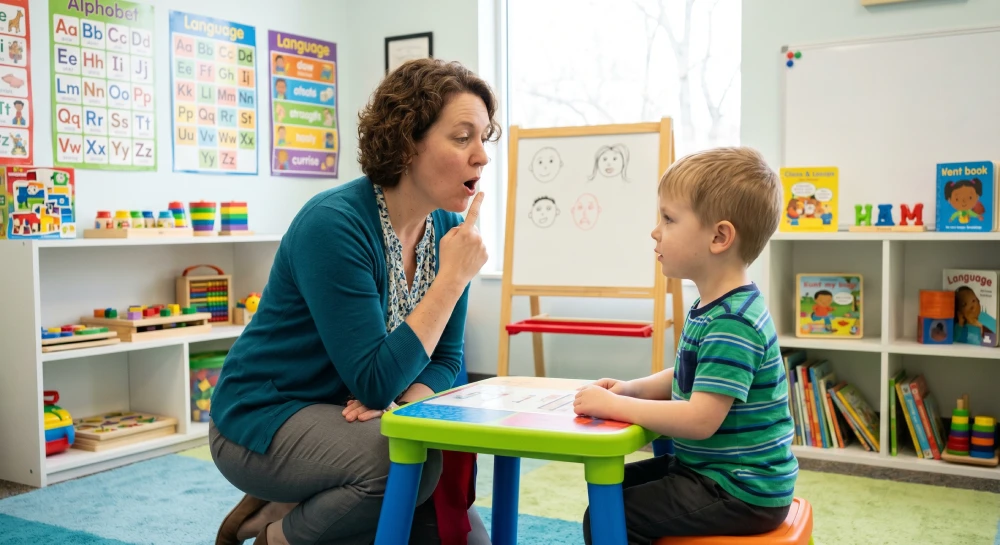
Younger kids might show it one way, older ones another. What follows covers what moms and dads tend to spot first:

Not every late talker has the same challenge beneath the surface. Sometimes sounds come out shaky because messages from the brain to mouth muscles get scrambled along the way. That kind of glitch isn’t fixed by practicing words alone. While some kids just need time to sort sound patterns, others require methods built for movement errors instead.
Because of this, getting it right matters - only a certified Speech-Language Pathologist can pinpoint what’s really going on. At Bright Speech, testing follows methods proven to tell apraxia apart from similar issues, nothing more, nothing less.
Looking for more clinical information? Visit Apraxia Kids (apraxia-kids.org) or consult CASLPO to find registered, CAS-experienced Speech-Language Pathologists in Ontario.

Speech therapy works well when it happens often, every day if possible, especially at first. Most kids need help three to five times each week to make progress. What helps most is working alone with a therapist, not in groups. Several methods have been studied closely by researchers. These ways of teaching show real results over time:
Every therapist at Bright Speech knows how to use proven, evidence-based treatments for kids with CAS. A custom plan takes shape once we get to know your child’s needs. Practice happens beyond visits, because parents learn ways to help during everyday moments.

Most kids with CAS do well when they get the correct help. Starting early tends to work better than waiting. Kids under five usually gain clear speaking skills if therapy begins fast. Later starters catch up too, just slower some of the time. Good support changes outcomes even when treatment starts past preschool years.
What matters most? Sticking to a steady rhythm. Not just how often therapy happens, but also doing small things each day at home. Parents learn ways to help, then weave those moments into regular routines. Over time, it adds up without needing big efforts.
Don't wait to see if they "grow out of it." Early, targeted intervention makes all the difference in treating Childhood Apraxia of Speech.
No. Stuttering is a fluency disorder affecting the flow of speech. CAS is a motor planning disorder affecting the coordination of speech movements. They require different assessments and different treatments.
CAS can co-occur with autism spectrum disorder (ASD), but they are separate conditions. Some children have both. A comprehensive SLP assessment can evaluate both areas.
Progress varies by severity. With intensive therapy (multiple sessions per week), many children show measurable improvement within 8 to 12 weeks. Your SLP will set specific goals and track progress at each session.
Bright Speech in Mississauga provides speech therapy services and personalized support programs for children experiencing Childhood Apraxia of Speech and other communication challenges.